top of page

Ablative Skin Resurfacing
Frequently-Asked Questions (FAQ)
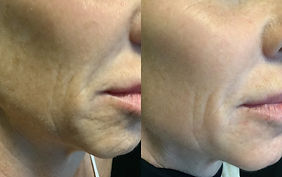
Ablative skin resurfacing is a laser treatment that removes the outer layers of damaged skin, stimulating collagen production and revealing smoother, more youthful skin beneath. It's effective for treating wrinkles, sun damage, and acne scars.
The laser delivers intense energy that vaporizes the outer layer of skin (epidermis) and heats the underlying dermis. This controlled damage triggers the body's natural healing process, leading to the growth of new, healthier skin and increased collagen production.
This treatment is ideal for addressing fine to moderate wrinkles, age spots, sun damage, uneven skin tone and texture, acne scars, and certain benign skin growths.
Commonly used ablative lasers include CO2 (carbon dioxide) lasers and Erbium YAG lasers, each with specific applications and benefits.
Recovery involves redness, swelling, and peeling for several days to weeks. Strict sun protection is essential during this time. We will provide detailed post-treatment care instructions.
Potential risks include infection, scarring, changes in skin pigmentation, and prolonged redness. Choosing a qualified dermatologist minimizes these risks. We will discuss these risks during your consultation.
Ablative laser resurfacing can produce dramatic and long-lasting results. However, the effects are not permanent, as the skin continues to age.
Typically, one treatment is sufficient to achieve significant results. However, depending on your individual skin concerns, additional treatments may be recommended.
Ideal candidates are those with fair to medium skin tones and noticeable skin damage or signs of aging. A consultation is necessary to determine if you are a suitable candidate.
Prior to your treatment, we will provide you with specific instructions, which may include avoiding certain medications and sun exposure. We will also discuss your medical history and skin concerns to ensure a safe and effective treatment.
Acne is a common skin condition that occurs when hair follicles become clogged with oil and dead skin cells. It can appear as pimples, whiteheads, blackheads, or cysts.
Several factors contribute to acne, including:
• Excess oil production
• Clogged hair follicles
• Bacteria
• Inflammation
• Hormones (especially during puberty, pregnancy, or menstruation)
• Family history (genetics)
• Certain medications
Acne manifests in various forms:
• Whiteheads (closed comedones): Pores clogged with oil and dead skin, covered by a layer of skin.
• Blackheads (open comedones): Pores clogged with oil and dead skin, exposed to air, causing a dark appearance.
• Papules: Small, red, tender bumps.
• Pustules: Pimples with pus at the top.
• Nodules: Large, solid, painful bumps beneath the skin's surface.
• Cysts: Large, pus-filled, painful bumps deep within the skin.
Acne symptoms vary depending on the severity and type, but can include:
• Pimples
• Redness and inflammation
• Pain or tenderness
• Scarring (in severe cases)
While acne can affect anyone, it's most common among teenagers due to hormonal changes. However, adults of any age can also experience acne.
Acne treatment depends on the severity. Options include:
• Over-the-counter medications: Cleansers, creams, gels, or spot treatments containing ingredients like benzoyl peroxide, salicylic acid, or adapalene.
• Prescription medications: Topical retinoids, antibiotics, or hormonal therapies (like birth control pills for women).
• Oral medications: For severe or cystic acne, oral antibiotics or isotretinoin (Accutane) may be prescribed.
• Procedures: Chemical peels, laser therapy, or light therapy may be recommended in some cases.
While you can't entirely prevent acne, these tips can help manage it:
• Wash your face twice daily with a gentle cleanser.
• Avoid picking or squeezing pimples.
• Use non-comedogenic skincare products (products that don't clog pores).
• Manage stress.
• Stay hydrated.
• Consult a dermatologist for personalized advice.
While some home remedies are suggested, it's crucial to be cautious. Many can irritate the skin. It's best to consult with a dermatologist before trying any home remedies. They can advise on what's safe and effective.
The time it takes for acne to clear up varies depending on the severity and treatment. It can take weeks or even months to see significant improvement. Consistency with your treatment plan is key.
You should see us if:
• Over-the-counter treatments aren't working.
• Your acne is severe or cystic.
• Your acne is causing scarring.
• You're experiencing significant emotional distress due to your acne.
• You have any questions or concerns about your acne or its treatment.
Sun damage, wrinkles, and acne scars can leave your skin looking and feeling less vibrant than you’d like. Many find these concerns impact their confidence, making them hesitant to show off their natural beauty. While the effects of aging and environmental stressors are inevitable, achieving smoother, more youthful skin doesn't have to be a distant dream. At DermaSpaMed, we understand how these skin imperfections can affect your daily life, and we're dedicated to providing effective ablative skin resurfacing treatments to help you rediscover your radiant self.
2 Locations to Serve You
Pismo Beach
340 James Way #140
Pismo Beach, CA 93449
Santa Maria
120 N Miller St., Building C
Santa Maria, CA 93454
bottom of page